
15 Best Things to Do in Poland for First-Time Visitors (2026)
The best things to do in Poland mix big history, old towns and a lot of nature. Most first trips cover Krakow and Warsaw, a day at Auschwitz, the Wieliczka Salt Mine and a few days by the sea in Gdańsk or in the Tatra Mountains.
Distances are manageable and trains link the main cities, so you can fit a lot into one or two weeks. Below are 15 highlights worth planning around, plus where to base yourself and the best time to go.
In Short
- Krakow and Warsaw are the classic bases, with the fastest trains taking about 2.5 hours between them.
- Auschwitz is the most important day trip, about 1.5 hours from Krakow or a long day from Warsaw.
- The Wieliczka Salt Mine is a short trip from Krakow and fits easily into a free afternoon.
- Gdańsk and the Baltic coast are best in summer, while the Tatra Mountains suit hiking in summer and skiing in winter.
- May, June and September are the best months for most trips, with mild weather and fewer crowds than July and August.
Join Our Facebook Group
Planning a trip to Auschwitz, Krakow or Warsaw? Ask questions, swap tips and share your plans with other people heading to Poland. It’s free to join.
In This Guide
- Is Poland Worth Visiting?
- Where to Stay as a Base in Poland?
- Best Time to Visit Poland
- Visit Warsaw’s Old Town
- Visit the Warsaw Uprising Museum and POLIN
- Take a Day Trip to Auschwitz
- Visit the Wieliczka Salt Mine
- Travel to Gdansk
- Visit Krakow Old Town
- Experience the Nightlife in Krakow
- Hike the Tatra Mountains
- Relax at the Chocholow Thermal Baths
- See the Wawel Royal Castle
- Discover the Malbork Castle
- Eat Some Delicious Polish Food
- Visit Białowieża National Park
- Walk in the Jewish Quarter in Krakow
- Visit Krakow’s Museums
- Things to Do in Poland FAQ
Things To Do in Poland – Summary
Poland gives you a lot to see without long travel times. Base yourself in one city, then use fast trains and buses for day trips to lakes, mountains and smaller towns. You spend less time moving and more time seeing things.
Is Poland Worth Visiting?
Yes, absolutely. Poland is a good mix of cities, history, and nature. You can walk around an old town in the morning, then take a quiet train ride to the mountains in the afternoon. Some places are heavy, like Auschwitz, but others feel calm and peaceful.
People are helpful, and prices are lower than in a lot of other European countries. The food is filling (yes rich, but really delicious), and locals will gladly tell you where to get the best one. It’s a solid place to visit, no matter your budget.
Where to Stay as a Base in Poland?
Choose Kraków if you want lively cafés, easy day trips to the Wieliczka Salt Mine, and quick bus links to the Tatra foothills. The city is walkable and full of things to do.
Pick Warsaw when you need a big-city rhythm, many museums, and high-speed trains in every direction.
You can still take a day trip to Auschwitz from Warsaw, too. The guided tours on GetYourGuide and Viator take care of the transport, the entry and the guide, so the long day feels a lot easier, even though the visit itself is hard.
Go with Gdansk for Baltic air, medieval lanes, and short local trains to sandy beaches. Book a central apartment near the main station and let public transport carry you the rest of the way.
Best Time to Visit Poland
May, June, and September are the best months. The weather’s usually good and it’s not too crowded. July and August are warmer, but that’s when most people travel, so it can get busy and more expensive.
Winter is cold, but December has Christmas markets and the mountains get snow. Coming then? Pack warm clothes and layers, and you’ll be fine.
Easiest Option
Book a Day Trip to Auschwitz From Warsaw
Hotel pick-up, fast train tickets, entry, a licensed guide and free time in Krakow. From about €148 per person, rated 4.6 from 1,000+ reviews, with free cancellation up to 24 hours before.
The 15 Best Things To Do in Poland
Here are some of the best things you can do while you’re in Poland. Some are in big cities, others are out in nature. You don’t have to do everything, but a mix of both gives you a better feel for the country.
Visit Warsaw’s Old Town
Warsaw’s Old Town looks old, but it was mostly rebuilt after the war. And truth be told, we’re very proud of how the city looks nowadays, clean and well-maintained.
Start in the main square near the Royal Castle, where people relax on benches and kids chase pigeons. St Anne’s Church has a tower you can usually climb for a wide view over the rooftops and the river, with the skyscrapers in the distance. It’s sometimes closed for repairs, so check it’s open before you go.
Walk through the smaller streets, stop for coffee or soup in one of the local places, and check out the walls and arches left from medieval times.
In summer, musicians play outside. And if you like music, head to Łazienki Park, where free Chopin concerts are held under the trees on summer Sundays at 12:00 and 16:00. There’s so much to do in the city that we recommend spending 3 days in Warsaw (or more if you have the time). Famous spots, quieter corners and maybe a trip to Auschwitz? Read on.

Visit the Warsaw Uprising Museum and POLIN
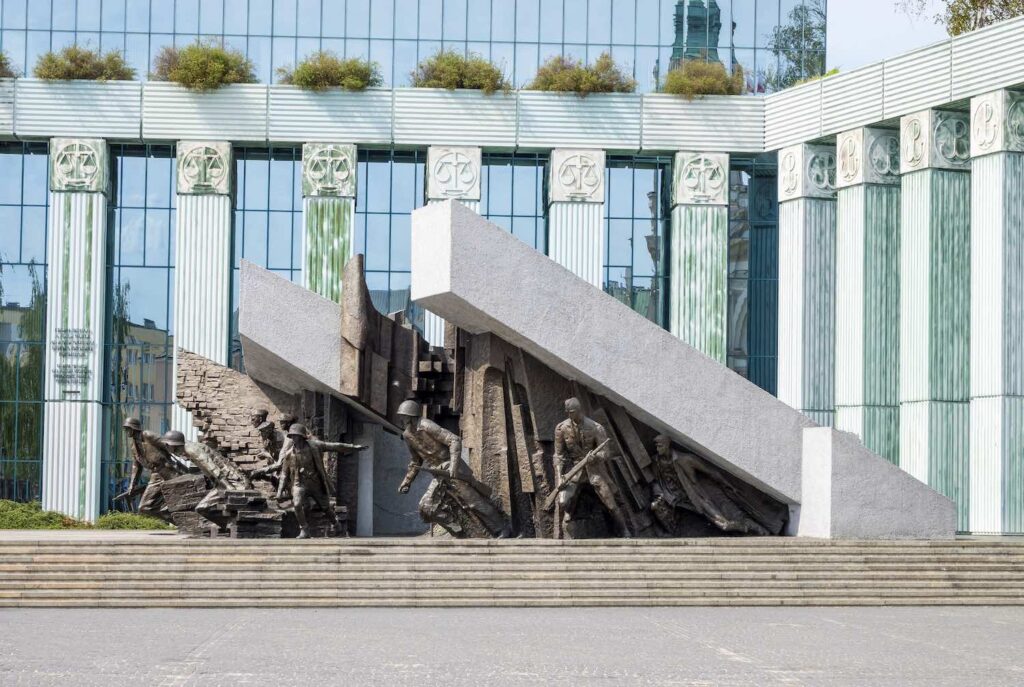
Warsaw has two of the best history museums in Poland, and each one is worth half a day. The Warsaw Uprising Museum covers the city’s 63-day fight against the German occupiers in 1944. You’ll see around 800 objects, a replica of a B-24 bomber and a copy of the sewers the fighters crawled through. Tickets cost 35 PLN, and entry is free on Thursdays.
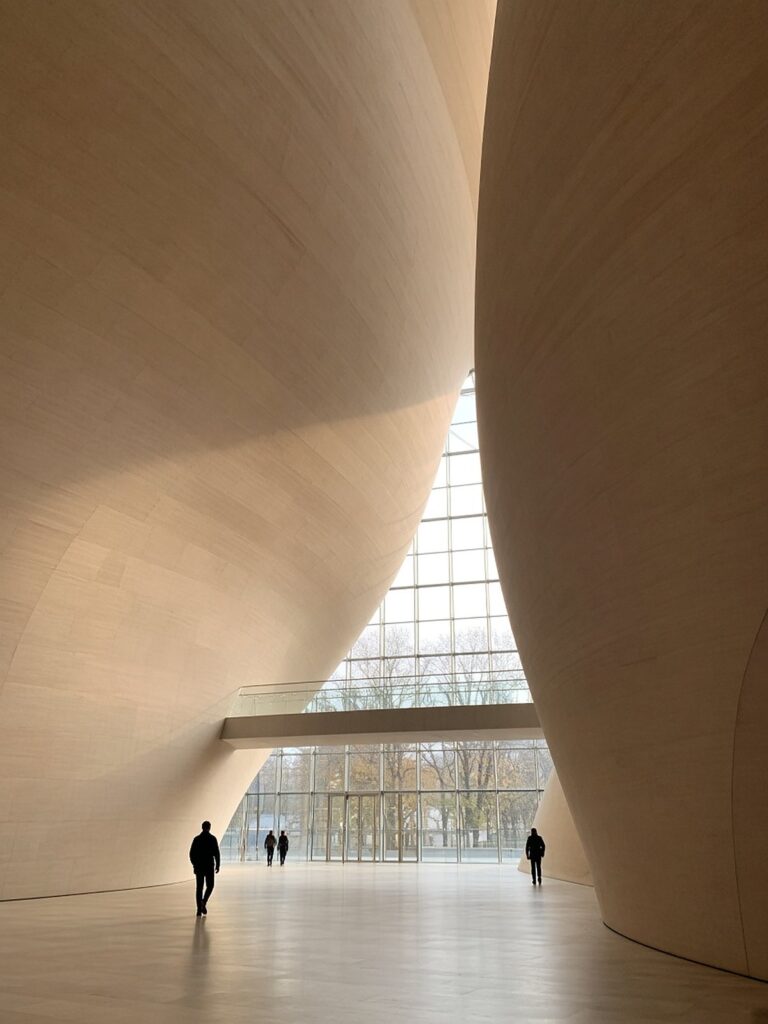
POLIN, the Museum of the History of Polish Jews, tells the story of 1,000 years of Jewish life in Poland. Its painted wooden synagogue roof, rebuilt by hand, is one of the most striking rooms in the city. Tickets are 45 PLN with an audio guide, and it’s free on Thursdays too. Both museums close on Tuesdays, and the Uprising Museum also closes on Sundays, so it helps to plan your museum day for another day of the week.
Take a Day Trip to Auschwitz
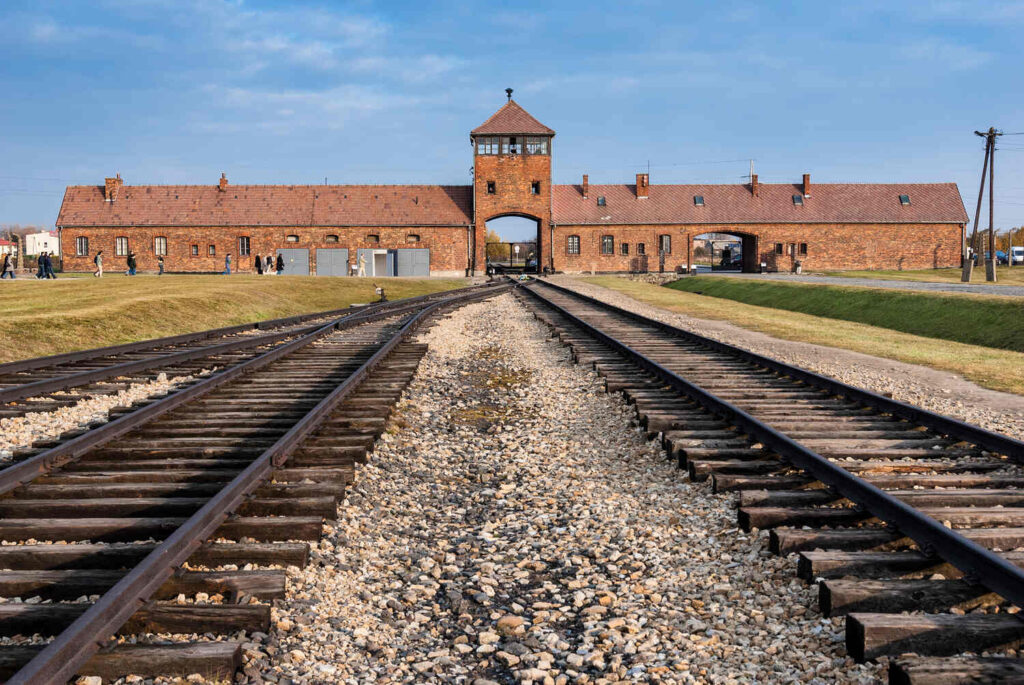
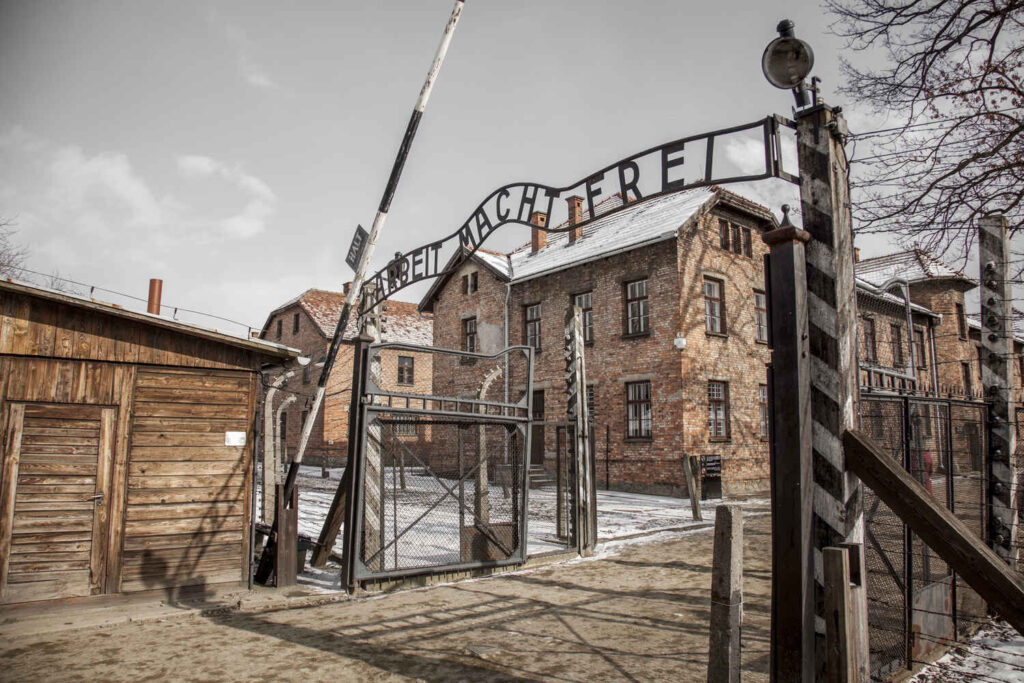
Auschwitz is not an easy visit. Yet, it’s an important one; and if you ask us, yes, it’s worth visiting Auschwitz concentration camps. You can take a bus or book a guided tour from Krakow. Once you’re there, you walk through the same gates where prisoners arrived during the war.
You see the buildings, the sleeping rooms, old suitcases, shoes, and photos. You also go to Birkenau, the second part of the camp, where the scale feels much bigger and more open.
It’s quiet, and people don’t speak much during the visit. The guides explain everything clearly and answer your questions. The walk takes a few hours and covers a lot of ground, so wear good shoes and bring water. Most people stay quiet afterward and take some time to process. It’s heavy, but many say it’s something they’re glad they did.
Lastly, while there’s no strict dress code for Auschwitz, the Memorial’s rules ask you to dress in a way that suits the place, so please remain respectful. This is an important site in the history of our world.
Visit the Wieliczka Salt Mine
Many tours from Krakow to Auschwitz Birkenau come as a combo with the salt mine, which is a nice addition. Check before you book, though, since plenty of tours only cover Auschwitz.
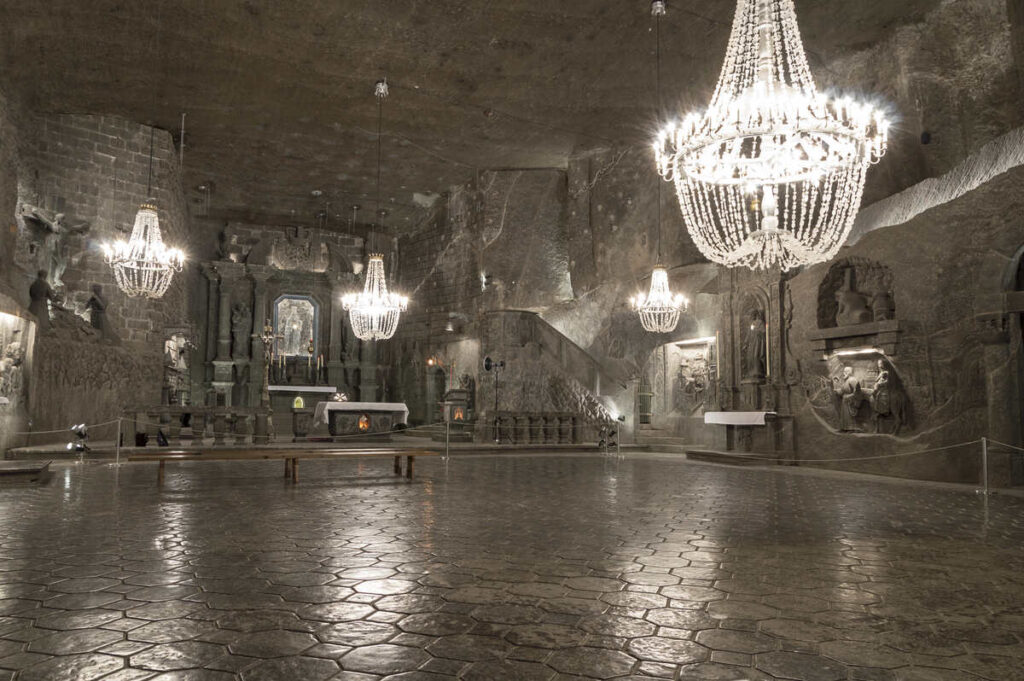
This salt mine near Krakow has been open for hundreds of years. It goes deep underground, and you walk through tunnels carved out of salt. The walls, the floors, the statues: everything is made of salt.
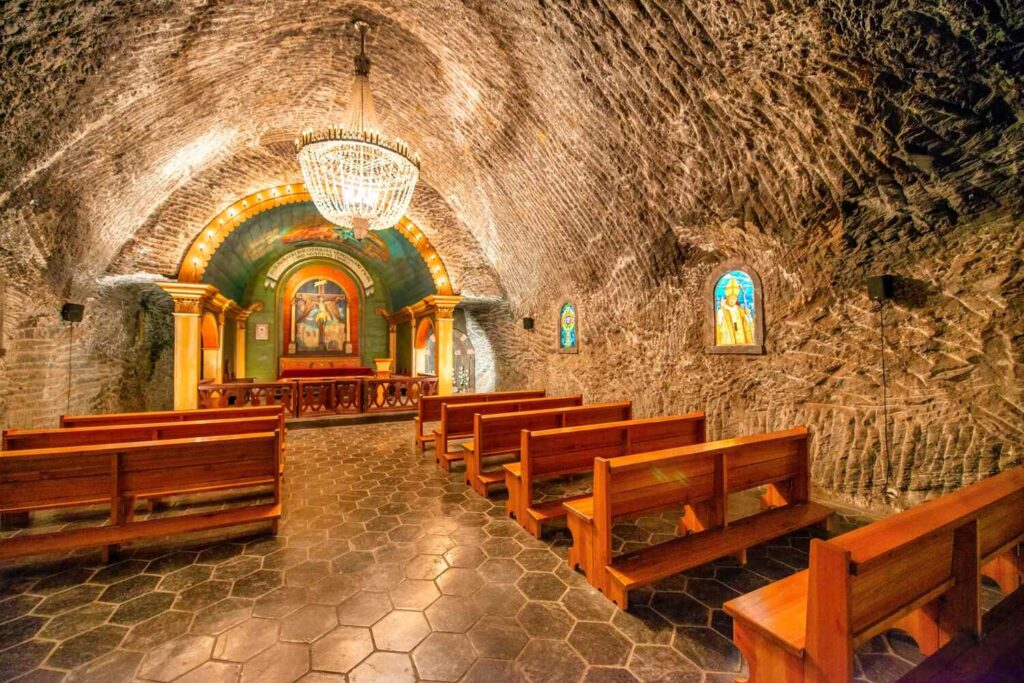
There’s even a full chapel downstairs with salt chandeliers hanging from the ceiling. It’s cool inside, so bring a sweater even if it’s warm outside. The Tourist Route covers about 3.5 km in 2 to 3 hours, past several chambers and a small underground lake. Tickets with an English-speaking guide are 143 PLN from October to April, 159 PLN in May, June and September, and 169 PLN in July and August.
At the end, you ride a lift back up. It’s a strange and interesting place, one of those things that feels totally different from anything else. And we couldn’t write a post about the best things to do in Poland without including it.
Fun fact: the mine also has a separate underground health resort, where people with breathing problems come for salt-air therapy. It’s called Halotherapy, though the evidence that it works is thin.
Travel to Gdansk
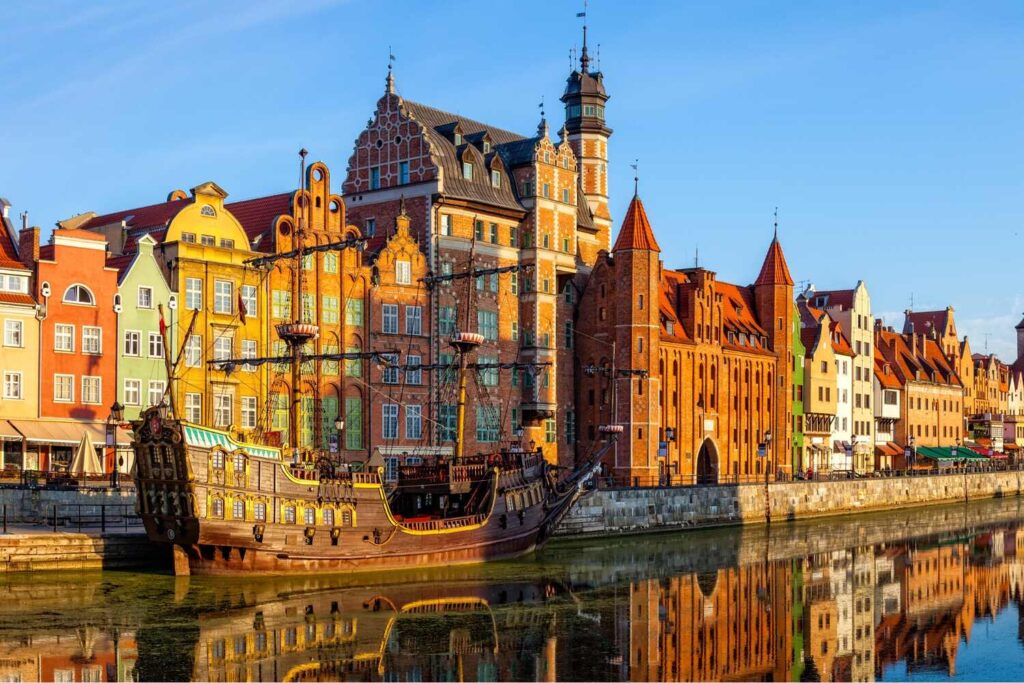
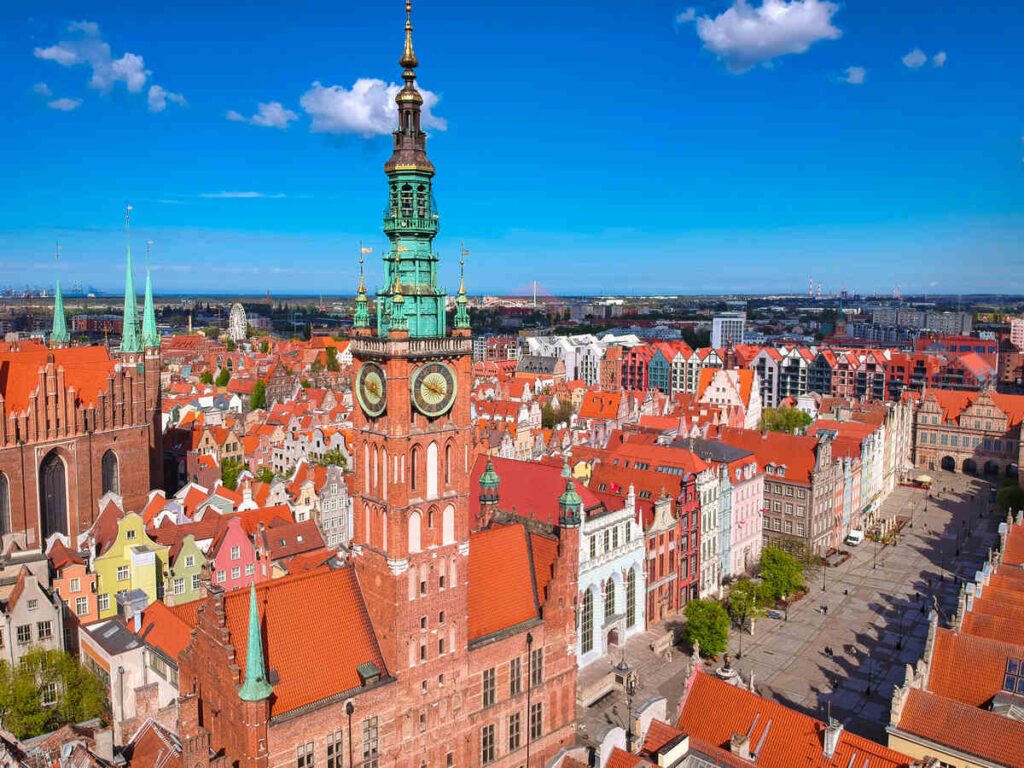
Gdansk is up on the northern coast and feels different from the rest of Poland. It has a long waterfront and a lot of history. Start by walking the Royal Way. The houses are tall and narrow, and each one is painted a different color.
You’ll pass the Golden Gate and end up at the old crane by the river, which was used to lift goods from boats hundreds of years ago. Gdansk also played a big role in recent history. Visit the European Solidarity Centre to learn how workers helped bring down communism.
You can also take a boat ride to Westerplatte, where World War II began. The water tram takes about 45 minutes each way and sails only between April and November, while buses 106 and 138 go there all year. Building work is going on at Westerplatte, so the buses stop at Muzeum Westerplatte Terminal Promowy and parts of the site are fenced off. Later, grab dinner near the river and try fish straight from the Baltic Sea. It’s a good place to slow down and take in the view for a couple of days.
Visit Krakow Old Town
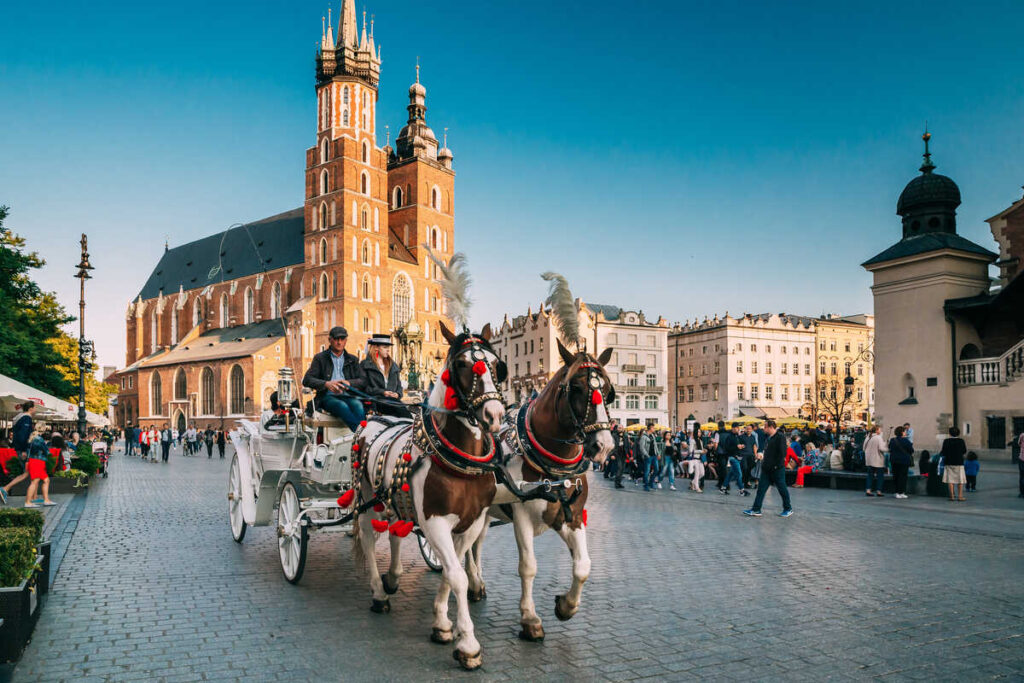
Krakow’s Old Town is easy to walk around, just like Warsaw’s. And you really can’t visit Poland without coming to Krakow. The main square is big and open, with a tall church on one side and the old Cloth Hall in the middle.
You’ll see horses pulling carriages, people playing music, and locals selling fresh bread or pretzels from carts. Every hour, a trumpeter plays from the church tower. It’s short, but it’s something people always stop to hear.
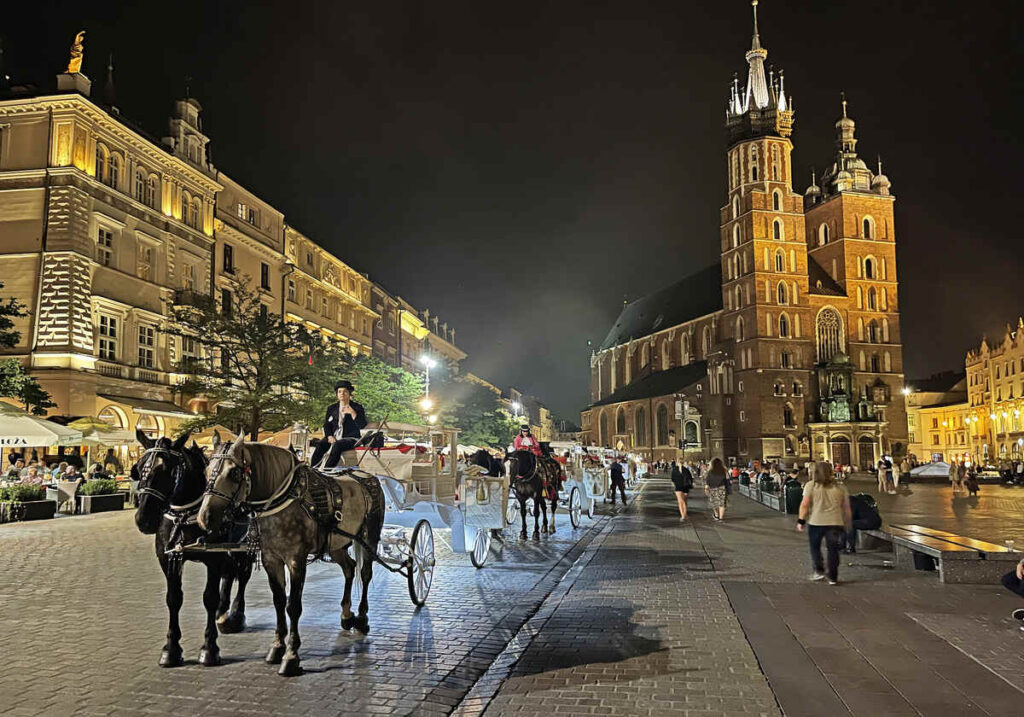
Around the square you’ll find small streets with cafés, shops and quiet courtyard gardens. You can also walk the green park that circles the Old Town where the city walls used to be. In the evening, the cellars open up, and you can eat or hear live jazz under old stone vaults. It feels warm and easy, like a place that’s happy to have you.
Join Our Facebook Group
Planning a trip to Auschwitz, Krakow or Warsaw? Ask questions, swap tips and share your plans with other people heading to Poland. It’s free to join.
Experience the Nightlife in Krakow
Krakow stays busy at night. Most of it happens in two areas: the Old Town and Kazimierz. You can start with a beer or cocktail near the square, then walk over to Kazimierz for something different.
This neighborhood used to be the Jewish quarter and now has lots of places to eat and drink. Some bars still look like old homes, with small rooms and candles on the tables.
You’ll hear live music in a few spots, especially klezmer, which has deep roots here. If you want to try Polish wodka, this is the place. There are lots of flavors, like plum and honey. Some clubs are underground, in old buildings with low ceilings and brick walls.
They don’t always look like clubs from the outside, but once you’re in, the energy picks up fast. Taxis are cheap, but you can also walk if the weather’s good. Nightlife in Krakow is fun!
Hike the Tatra Mountains
The Tatra Mountains are right above Zakopane, and they’re some of the most beautiful peaks in Poland. Staying in town? Get up early and grab a quick breakfast. You can stop at the market for a piece of grilled oscypek cheese. It’s salty, smoked and usually served with cranberry jam.
Then, take a local bus to the starting point at Palenica Białczańska and pay the 11 PLN national park entry. Driving? You need to book the car park there online. From there, you follow an asphalt road of about 8 km through the forest, past streams and small wooden huts, which takes about 2.5 hours on the way up.
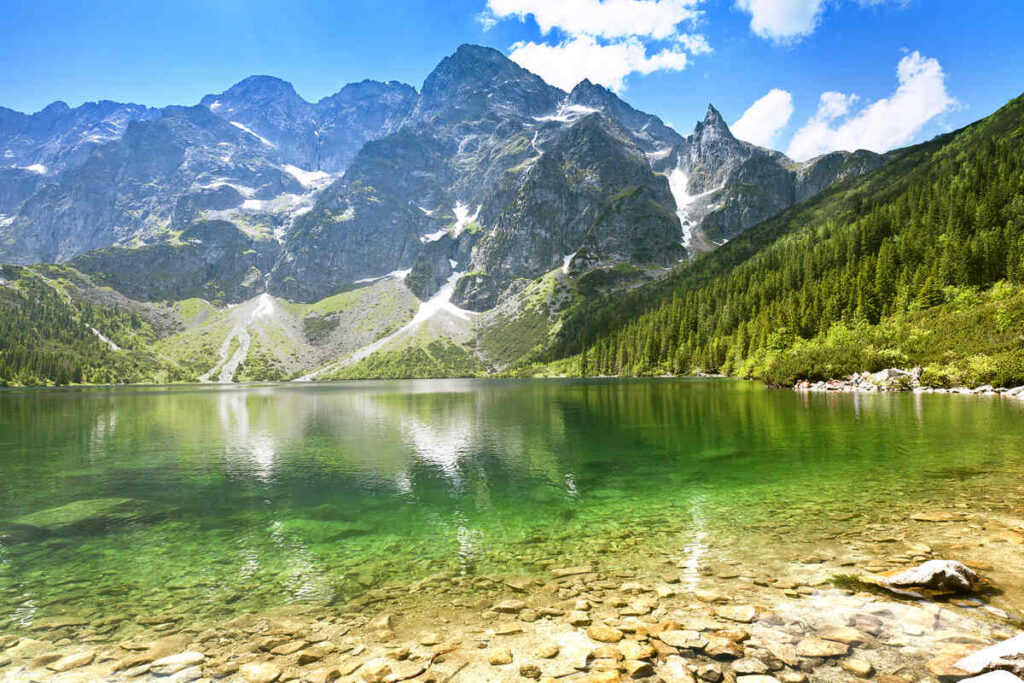
After a steady climb, you reach Morskie Oko. It’s a quiet lake with sharp mountains rising all around. The water is clear and still, especially early in the day. Poland might not be as popular as other countries, but we sure have some incredible landscapes!
Feeling strong? Keep going up to Czarny Staw. It’s about an hour more on a rocky path, higher and colder, and usually with fewer people. The views are even better. The weather can change fast up here, so bring a rain jacket and good shoes. Between March and November the park doesn’t allow walking on its trails between dusk and dawn, so plan to be back at the car park before sunset. With some luck, you might see chamois or marmots.
After the hike, head back to Zakopane and treat yourself to hot potato pancakes with mushroom sauce or goulash. You’ll sleep well that night.
Relax at the Chocholow Thermal Baths
After a hike or even just a cold day, the Chocholow Thermal Baths are a great place to rest. They’re about 25 to 40 minutes from Zakopane by bus or car. They work best as a rest day, since a long hike like Morskie Oko and the baths on the same day is a stretch.
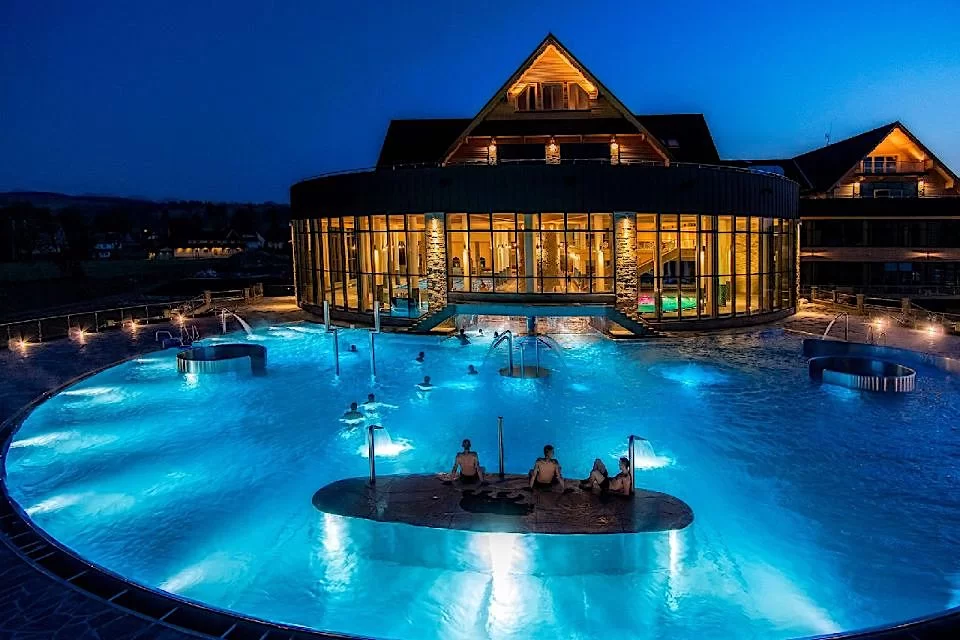
The complex is big, but well-organized. You’ll find outdoor pools with views of the mountains, hot tubs, water slides, and quiet areas where you can just float and relax.
The water comes from deep underground and feels soft on your skin. You can stay outside even in the snow, as the steam rises all around and the cold air makes the hot water feel even better. You thought that you couldn’t enjoy Poland in the winter, right?
Inside, there are saunas, salt rooms and massage chairs. Some people hop between the pools, and others just lie back in the warm shallow water and look at the mountains. There’s a café where you can order warm food, cakes or tea. The standard ticket covers 3 hours, with extra time charged by the minute. That’s plenty, especially if your legs are tired or you just want to do nothing for a while.
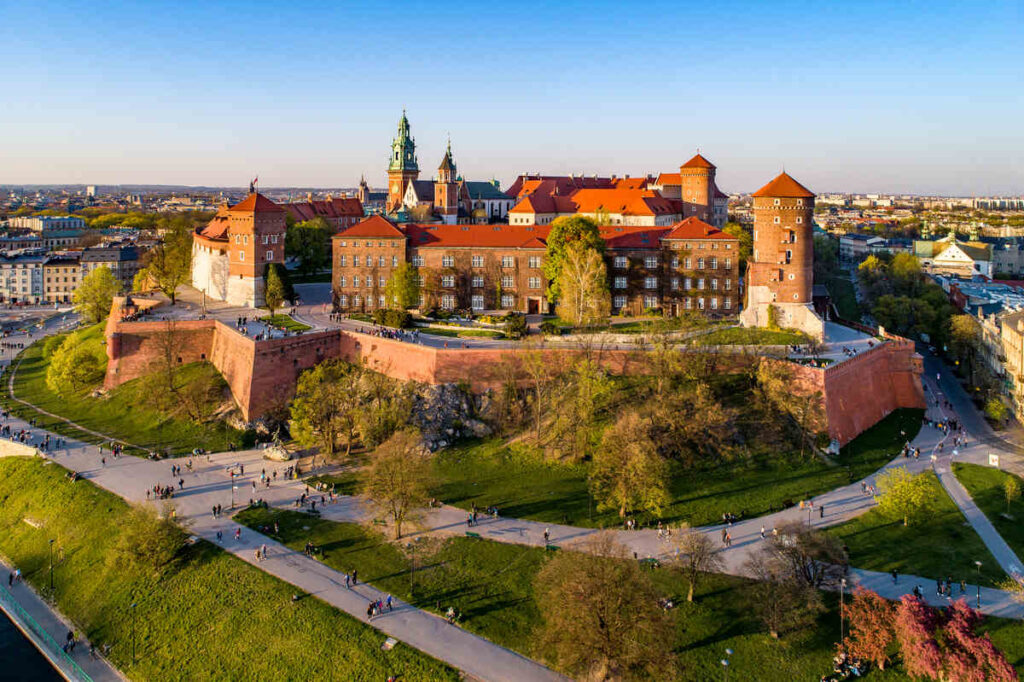
See the Wawel Royal Castle
Wawel Castle stands just above the river in Krakow. It’s easy to reach: walk south from the main square and you’ll see it. You go in through a stone gate and up a gentle hill to the main courtyard.
The place feels quiet, even when it’s busy. Inside the State Rooms, you’ll see tall ceilings, old wooden furniture, and tapestries the size of walls. Some show battles, others show animals or plants. A State Rooms ticket costs 57 PLN, but Wawel sometimes opens some routes, including the State Rooms, for free in November, so check its site for free passes before you go.
Each room tells a small piece of the story of Poland’s old kings and queens including the Piast Dynasty. There’s also a legend about a dragon that lived under the hill. You can walk into the Dragon’s Den cave, which is cool and damp, and see the exit by the river. It’s seasonal, closed from November until spring, and costs 15 PLN when it’s open.
Outside, a statue of the dragon breathes fire every few minutes: kids love it. Don’t skip the cathedral next door, which needs its own 26 PLN ticket. Many Polish kings were crowned and buried there. If you climb the Sigismund Tower, you get a wide view over Krakow’s rooftops. It’s a short climb, but the bells and view at the top are worth it.
Easiest Option
Book a Day Trip to Auschwitz From Warsaw
Hotel pick-up, fast train tickets, entry, a licensed guide and free time in Krakow. From about €148 per person, rated 4.6 from 1,000+ reviews, with free cancellation up to 24 hours before.
Discover the Malbork Castle
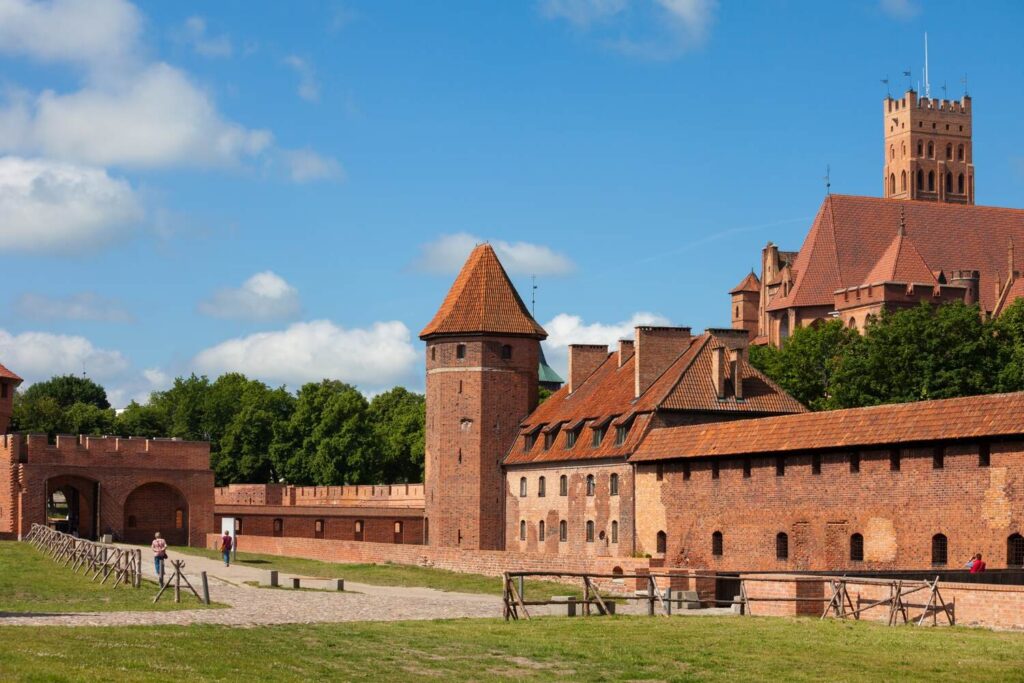
Malbork Castle is one of the biggest castles in the world, and it looks exactly how you’d expect a medieval fortress to look. It’s built out of red brick and surrounded by thick walls and a moat.
You can take a train from Gdansk, which is about 25 to 40 minutes away on the faster trains, and spend most of a day here. Tickets are 80 PLN with an English audio guide. Once you walk across the drawbridge, you’re inside a maze of towers, courtyards, and halls.
The castle was built by knights hundreds of years ago, and you can still see where they slept, ate, and stored weapons. There’s a museum inside with swords, armor, and pieces of stained glass. Some rooms display old coins and amber jewelry. Between late April and September, you can climb the Main Tower (17 PLN) for a full view of the river and fields around it. From October to late April the last entry for the full castle route is 12:45, so an early train from Gdansk makes sense, and on Mondays only the free walk around the grounds is open.
It’s quiet but impressive. If you get hungry, stop at Gothic Café inside the castle walls for hearty Polish food. Yum!
Eat Some Delicious Polish Food
Polish food is warm, filling and very easy to like. You’ll find pierogi just about everywhere. The most common ones are filled with potato and cheese, but there are plenty of other options like mushroom, cabbage, spinach and meat.
If you like something sweet, try the ones with blueberries or strawberries. Zurek is a sour soup that often comes in a bread bowl. It usually has sausage, egg, and that rye flavor that makes it different from anything else.
Bigos is another classic. It’s a meat and cabbage stew that cooks for hours and tastes better the next day. If you travel in the mountains, try oscypek. It’s a smoked cheese served warm with a bit of sweet sauce on top.
Street vendors also sell paczki. It’s a big, soft doughnut filled with jam, especially popular in February. For dessert, get a slice of makowiec, a poppy seed roll that goes well with a strong cup of coffee.
Can a single trip to Poland be enough for all the amazing food on offer? We doubt so, but please do prove us wrong!



Visit Białowieża National Park
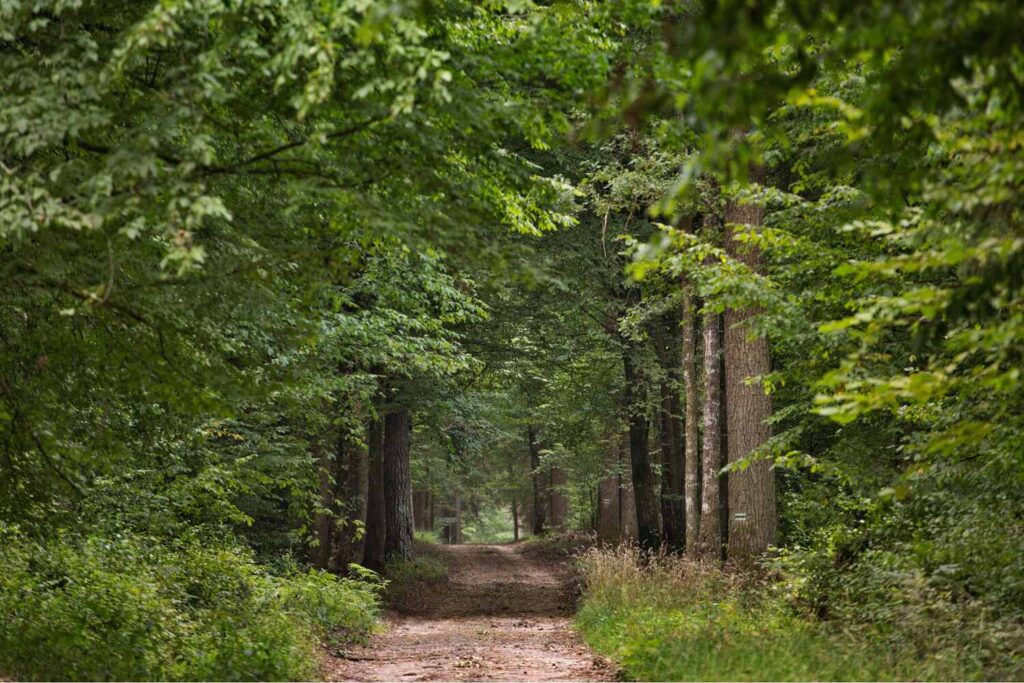
This park is on the border with Belarus and protects one of the oldest forests in Europe. It’s quiet, green and full of tall trees that have been growing for hundreds of years. Start in the small village of Białowieża.
The oldest part of the forest, the strict reserve, can only be visited with a licensed guide. Groups are up to 10 people (10 PLN entry plus the guide’s fee), so book one ahead. Parts of the forest near the Belarus border sometimes have entry restrictions, but the national park’s own trails and sites are usually open, so check its notices before you go. You can rent a bike for the trails outside it. One of the big reasons people come is to see wild bison. These animals are huge and calm, and they usually feed in open clearings around sunrise. No luck in the wild? The Bison Show Reserve has them for 25 PLN.
There are also birdwatching towers where you might spot owls, woodpeckers, or even lynx tracks if you’re lucky. The air feels fresh and cool under the trees. In summer, bring bug spray and long sleeves, because mosquitoes like the shade too.
After your visit, stop at a small inn nearby for a plate of forest mushrooms or a hot bowl of borscht with bread.
Walk in the Jewish Quarter in Krakow
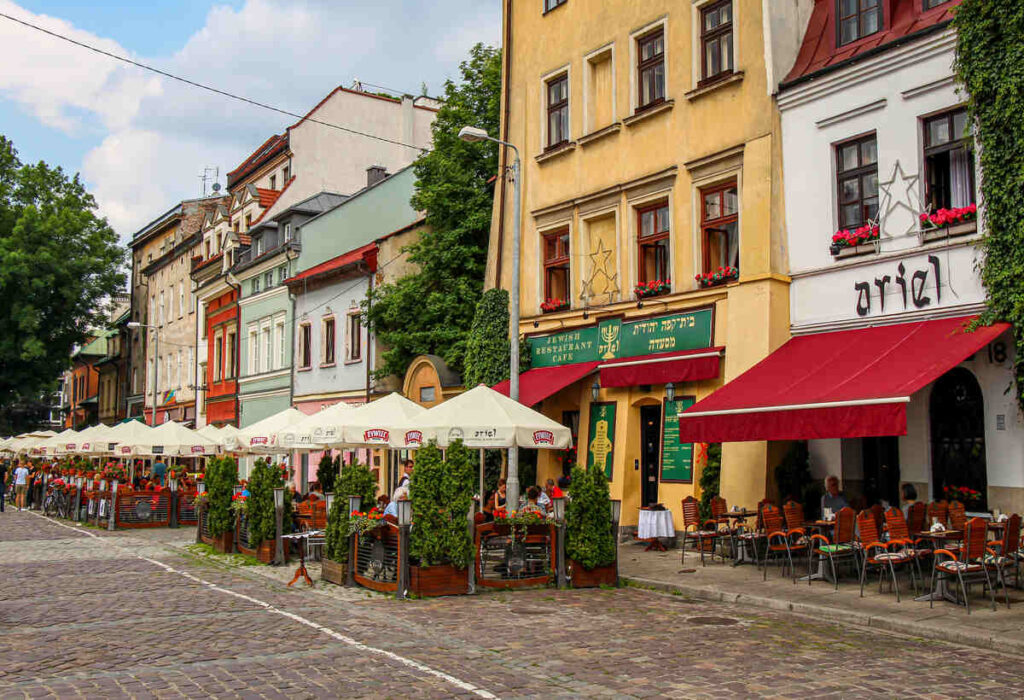
Kazimierz is one of the most interesting parts of Krakow. It used to be the center of Jewish life before the war. Today, it mixes old and new. You can start at the Old Synagogue (22 PLN, free on Mondays), then visit the Remuh Synagogue, which also has a peaceful cemetery out back.
Small museums and walking tours explain what life was like here, before, during, and after the war. The working synagogues, like the Remuh, are closed on Saturdays and Jewish holidays.
You’ll see murals, memorials, and some cafés that still bake traditional challah bread. In the evening, the area gets busier. Restaurants open up on Szeroka Street, some with live klezmer music playing inside.
The food is simple and full of flavor. It’s a neighborhood to walk slowly, because there’s a story on almost every street.
Visit Krakow’s Museums
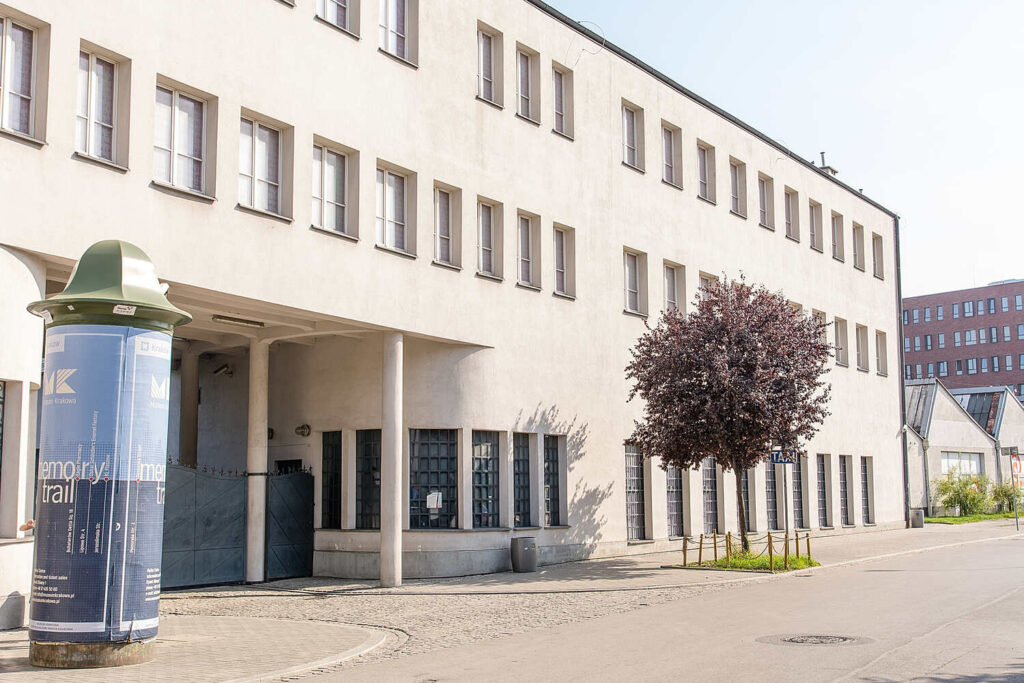
Krakow has a bunch of museums packed into a small area, so it’s easy to visit a few in one day. Start with Schindler’s Factory. It tells the story of the war through old rooms, photos, and sounds that make it feel real. Tickets are 60 PLN for a timed entry, so book online. The museum is closed on the first Tuesday of each month, and because it has daily visitor limits, tickets are best booked ahead.
After that, go under the main square to Rynek Underground. It’s a modern museum (45 PLN, free on Tuesdays, closed on the second Monday of each month) built under the surface where you can see old roads, coins, and walls from the city’s past. The National Museum is bigger and shows Polish art, including large paintings and sculptures.
If you like more modern work, head to MOCAK (Museum of Contemporary Art in Kraków), just across the river. They focus on photography, design, and newer ideas.
Opening days vary. Plenty of museums close on Mondays, but Schindler’s Factory opens on Mondays with free entry and shorter hours (10 AM to 3 PM). Check the schedule before you go. If the weather’s bad, it’s an easy way to still see something interesting.
Best Museums in Krakow
- Schindler’s Factory Museum
- Rynek Underground
- Wawel Royal Castle State Rooms
- National Museum (Main Building)
- MOCAK Museum of Contemporary Art
Things to Do in Poland FAQ
How many days do you need in Poland?
Seven to ten days is enough for a first trip. That gives you two or three days each in Krakow and Warsaw, a day at Auschwitz and half a day at the Wieliczka Salt Mine. You’ll also have a few days for Gdańsk or the mountains. With less time, focus on Krakow and one day trip. Our 10-day Poland itinerary lays out a full route.
Is Poland expensive to visit?
Not compared with Western Europe. Meals, public transport and museum tickets cost noticeably less than in Germany, France or the UK, and good mid-range hotels are easy to find. Prices are highest in Warsaw, Krakow’s Old Town and Gdańsk in summer. Poland uses the złoty rather than the euro, and cards are accepted almost everywhere.
Is Krakow or Warsaw better for a first visit?
Krakow, for most people. Its Old Town survived the war, it’s compact and walkable, and it’s the best base for Auschwitz and the Wieliczka Salt Mine. Warsaw is bigger and more modern, with excellent museums like the Warsaw Uprising Museum and POLIN. If you have a week, see both, since the fastest trains between them take about 2.5 hours.
What is the best way to travel around Poland?
By train. PKP Intercity links Warsaw, Krakow, Gdańsk, Wrocław and Poznań with fast, comfortable services, and tickets get cheaper if you book ahead. Buses fill the gaps, especially to the mountains. Renting a car makes sense for national parks and small towns, but you won’t need one in the cities.
When is the best time to visit Poland?
May, June and September are the best months for a first trip, with mild weather and fewer crowds than July and August. December is cold, but you get Christmas markets in Krakow and Warsaw and snow in the Tatra Mountains, while some seasonal spots like the Dragon’s Den at Wawel close for the winter.
Is it worth visiting Auschwitz on a first trip to Poland?
Yes, for most people it’s the most important day of the trip. Auschwitz is about 1.5 hours from Krakow, so it fits into a day from there, and from Warsaw it’s a long day with an early start. Many guided tours from Krakow also combine it with the Wieliczka Salt Mine.