20 Best Books about Auschwitz and the Holocaust
The best books about Auschwitz are the ones written by people who were there. Start with Primo Levi’s If This Is a Man, Elie Wiesel’s Night and Viktor Frankl’s Man’s Search for Meaning. Then add a solid history, like Laurence Rees’s Auschwitz: A New History.
Below you’ll find 20 books split into memoirs, histories and novels based on real events, with a short note on each. Reading one or two before you visit makes the barracks and exhibits far easier to understand.
In Short
- Start with the survivor memoirs: Primo Levi’s If This Is a Man, Elie Wiesel’s Night and Viktor Frankl’s Man’s Search for Meaning.
- For the full history, read Laurence Rees’s Auschwitz: A New History, built on interviews with survivors and former SS men.
- Anne Frank’s diary covers her two years in hiding in Amsterdam. She was later deported to Auschwitz and died in Bergen-Belsen in 1945.
- Novels like The Tattooist of Auschwitz are based on real people but mix in invented details, so read them next to a memoir or history.
- Read one or two before you visit. The exhibits at Auschwitz I make far more sense once you know the stories behind them.
Join Our Facebook Group
Planning a trip to Auschwitz, Krakow or Warsaw? Ask questions, swap tips and share your plans with other people heading to Poland. It’s free to join.
In This Guide
Why Books About Auschwitz and the Holocaust Matter
Books keep the memory of Auschwitz and the Holocaust alive. They let you into the lives of victims, survivors and even perpetrators, and that’s how the scale of it starts to sink in.
You’ll read about Jewish men, women and children, non-Jewish prisoners, political prisoners and others who suffered under the Nazi regime.
Reading their stories is also a way of honoring them, and of passing the lessons on to the next generation.
Auschwitz Tours From Warsaw
20 Books About Auschwitz Concentration Camp
We’ve split the list into topics: memoirs, histories, novels based on real events, deeper studies, women’s stories and lesser-known accounts.
Since this list is mostly about Auschwitz, we start with the survivors. These are the Hungarian, Italian and other prisoners who lived to write down what happened.
Memoirs and Survivor Accounts
“The Diary of a Young Girl” by Anne Frank
“The Diary of a Young Girl” by Anne Frank is a first-hand account of a Jewish teenager hiding from the Nazis in Amsterdam during World War II.
She wrote it between 1942 and 1944 in the Secret Annex, a closed-off part of her father’s office building. She, her family and four others lived there in constant fear of being found. Anne writes about growing up, about who she is, and about the horrors going on outside.
Her writing shows what daily life in hiding was really like, and how she held on to hope. It’s a Holocaust classic, and for many people it’s the first book they read on the subject.

Easiest Option
Book a Day Trip to Auschwitz From Warsaw
Hotel pick-up, fast train tickets, entry, a licensed guide and free time in Krakow for lunch. From €148 per person, rated 4.6 from 1,000+ reviews, with free cancellation up to 24 hours before.
“Night” by Elie Wiesel
“Night” is Elie Wiesel’s memoir of his time as a 15-year-old Jewish boy in Auschwitz, mostly at the Buna camp (Monowitz), and then Buchenwald. It starts with his ordinary life in the small town of Sighet and ends in the camps.
Wiesel describes losing his family, his faith and his innocence, in plain and very direct language. It’s a short book, but not an easy one.
It shows the mental and emotional toll of the camps better than almost any history book. Read it to understand the personal cost of the Holocaust.

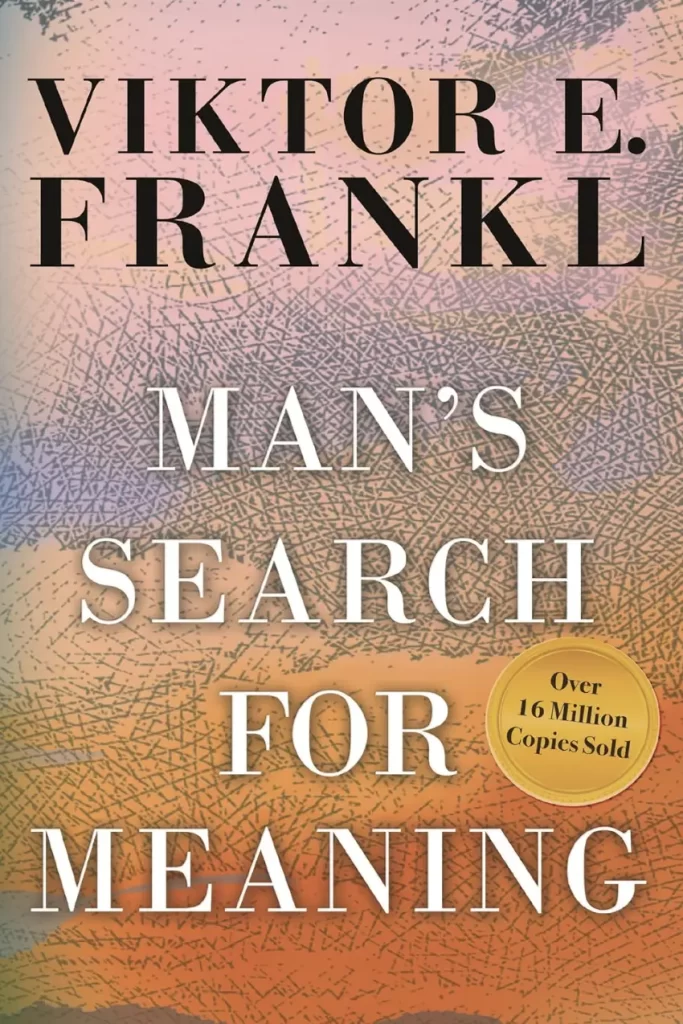
“Man’s Search for Meaning” by Viktor Frankl
Viktor Frankl, a Jewish psychiatrist, recounts his time in the Nazi camps. He spent two years in Theresienstadt and only a few days in Auschwitz, in October 1944, and most of the book draws on his months in two sub-camps of Dachau. He introduces his theory of logotherapy, the idea that the search for meaning is what drives people most, even in the worst conditions.
Frankl looks at how people coped in the camps, and why some held on when others gave up.
It’s part memoir, part guide to finding purpose when things are at their worst. That’s why people still read it decades after it came out in 1946.
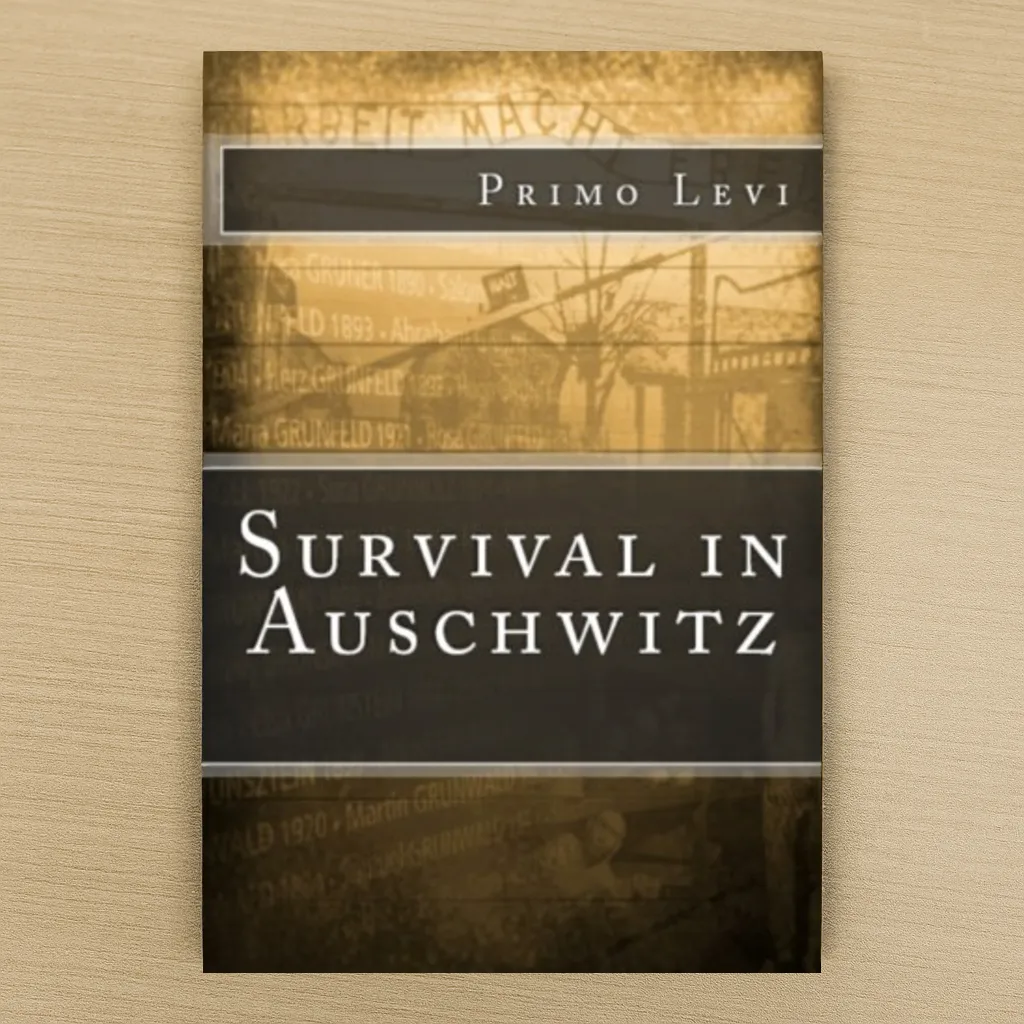
“Survival in Auschwitz” (If This Is a Man) by Primo Levi
In this classic, Primo Levi tells his story as an Italian Jew in Auschwitz. He gives a detailed, day-by-day account of camp life and of the struggle to stay human in a place built to break you.
He writes about the moral gray areas of camp life and the will to survive. It’s also one of the best books on Auschwitz III-Monowitz, where Levi was held.
Historical Accounts
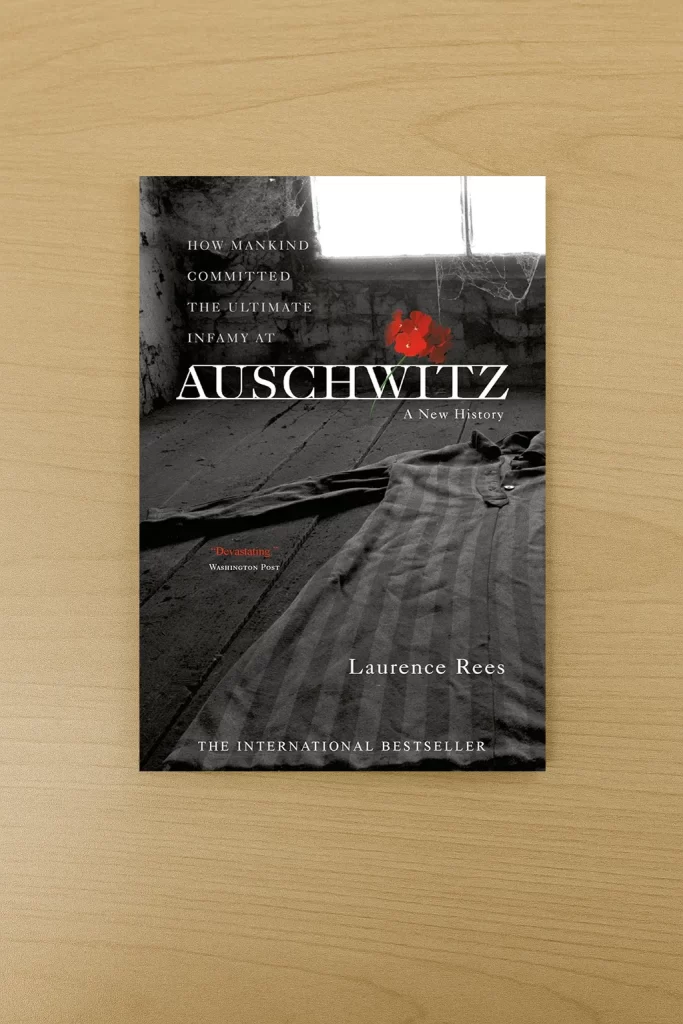
“Auschwitz: A New History” by Laurence Rees
Laurence Rees tells the full story of Auschwitz, starting with why it was built and how it became the center of the Nazi extermination program.
Using survivor and Nazi testimonies, he explains how Auschwitz became the symbol of the Holocaust.
He covers how the camp worked, how the Final Solution was carried out, and what daily life was like for prisoners. Read this one for Auschwitz in the wider context of World War II.
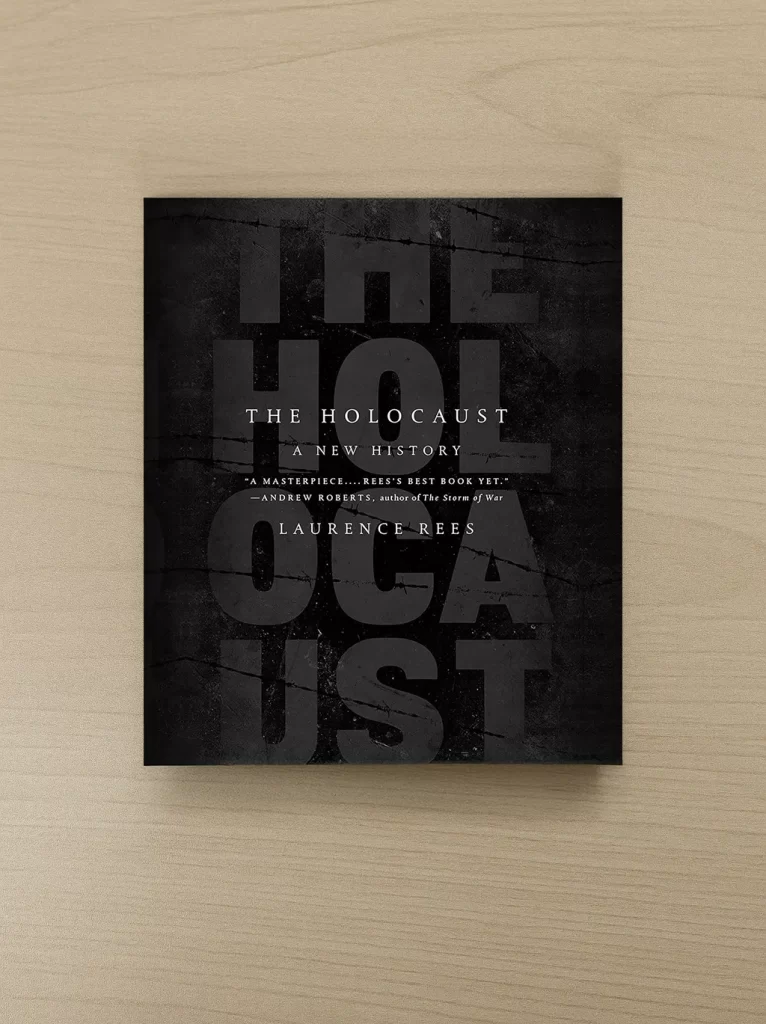
“The Holocaust: A New History” by Laurence Rees
This is Rees’s easy-to-read introduction to the Holocaust. He looks at the roots of antisemitism and the rise of Nazi Germany, then follows the events that led to the murder of six million Jews and millions of others.
It mixes history with personal stories to show how far the Nazi regime’s crimes reached across Europe.
It’s a good first book on the Holocaust if you want to understand how it happened, and why it still matters today.
“Auschwitz and the Allies” by Martin Gilbert
Martin Gilbert examines what the Allies knew about Auschwitz during the Second World War. He looks at the intelligence gathered, the responses (or lack of them) from the Allied governments and the moral questions raised by their actions.
It’s an uncomfortable read, since it shows how much was known and how little was done. Read it for the wider politics of the war.

“KL: A History of the Nazi Concentration Camps” by Nikolaus Wachsmann
Nikolaus Wachsmann covers the whole Nazi concentration camp system, known as “KL” (Konzentrationslager). It goes well beyond Auschwitz and covers the other camps too.
He looks at how the camps grew, who controlled them, and daily life for both prisoners and guards.
It’s a big book, at over 800 pages. It shows how the camps were central to Nazi rule, used against Jewish victims, political prisoners and other targeted groups.

Join Our Facebook Group
Planning a trip to Auschwitz, Krakow or Warsaw? Ask questions, swap tips and share your plans with other people heading to Poland. It’s free to join.
Fiction Inspired by Real Events
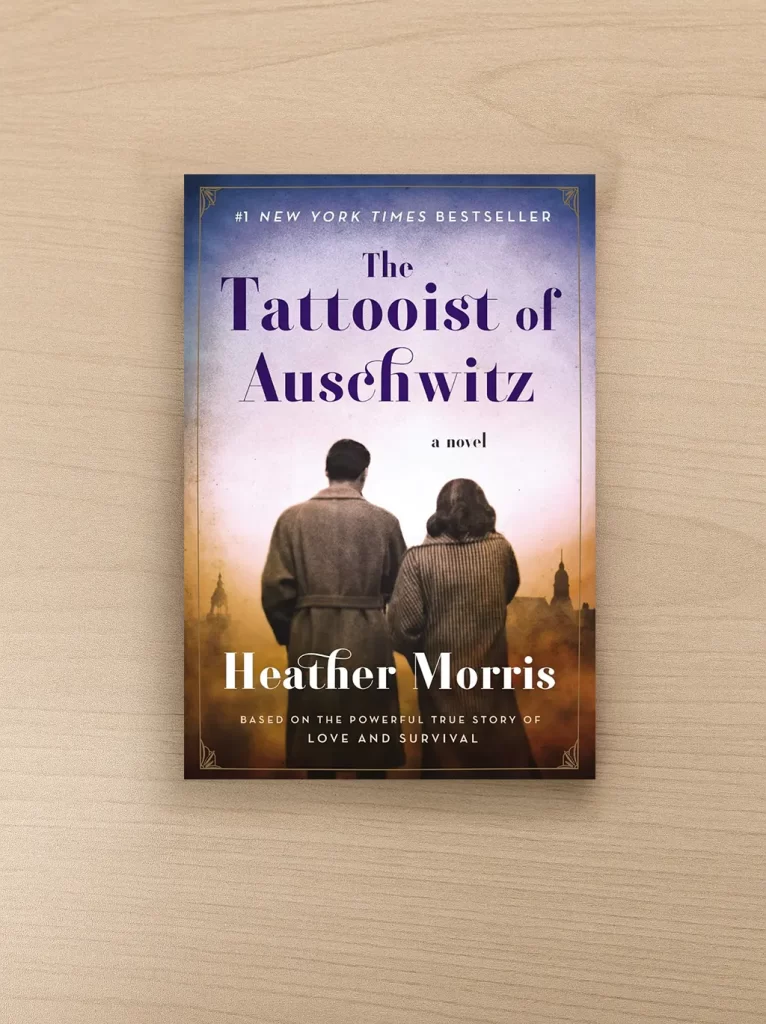
“The Tattooist of Auschwitz” by Heather Morris
This novel is based on Lale Sokolov, a Slovakian Jew who tattooed numbers on prisoners’ arms at Auschwitz.
In the middle of all that horror, Lale falls in love with Gita, a fellow prisoner. Heather Morris focuses on daily survival and the small acts of kindness that still happened in the camp.
Just know that researchers at the Auschwitz Memorial found many factual errors in it and say it can’t be recommended as a historical source. Read it as a novel, not as history.
“Schindler’s List” by Thomas Keneally
Thomas Keneally tells the true story of Oskar Schindler, a German industrialist who saved over a thousand Jews by employing them in his factories. The book first came out as Schindler’s Ark and won the 1982 Booker Prize.
It shows how Schindler, a hard-nosed businessman out to make money, ended up risking his life to protect his workers.
Keneally shows how one person can make a real difference when most people look away. It’s also worth reading before a trip to Krakow, since Schindler’s factory there is now a museum.
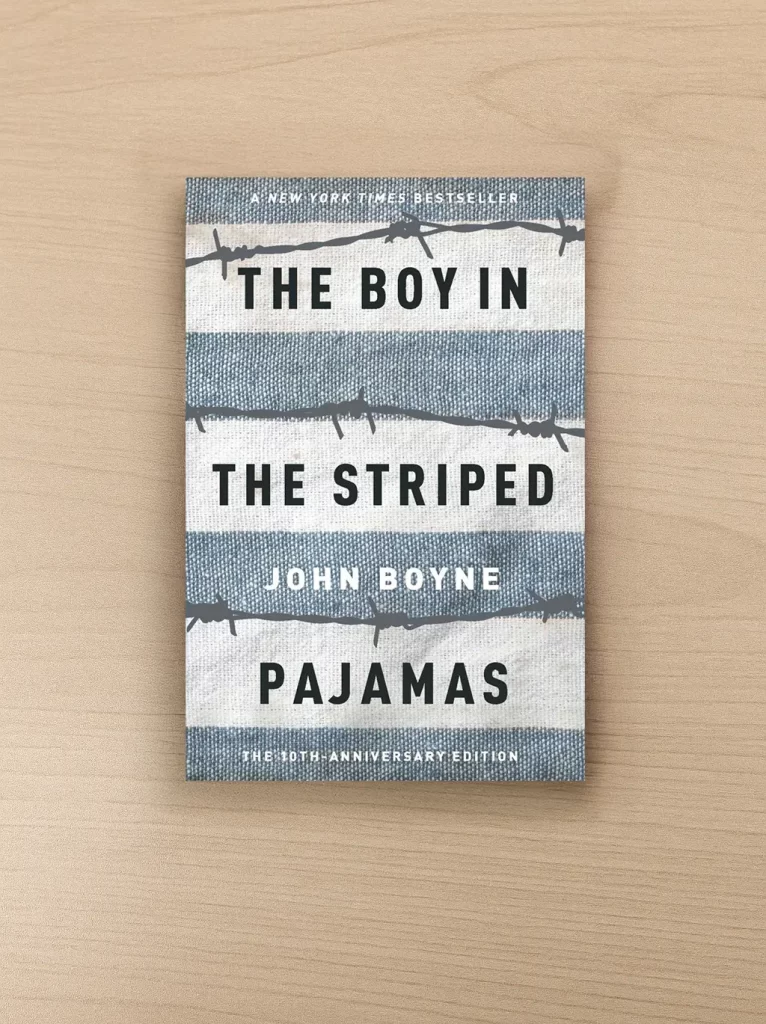
“The Boy in the Striped Pajamas” by John Boyne
This book is about Bruno, the nine-year-old son of a Nazi commandant, who befriends Shmuel, a Jewish boy in Auschwitz.
The story is told through a child’s eyes, and it makes you think about innocence, ignorance and the lines people draw out of prejudice.
It’s fiction, and it’s moving. Be aware that the Auschwitz Memorial has said the book “should be avoided by anyone who studies or teaches about the history of the Holocaust”. That’s because of how far it strays from the facts. Read it as a fable, not as history.
In-Depth Holocaust Studies
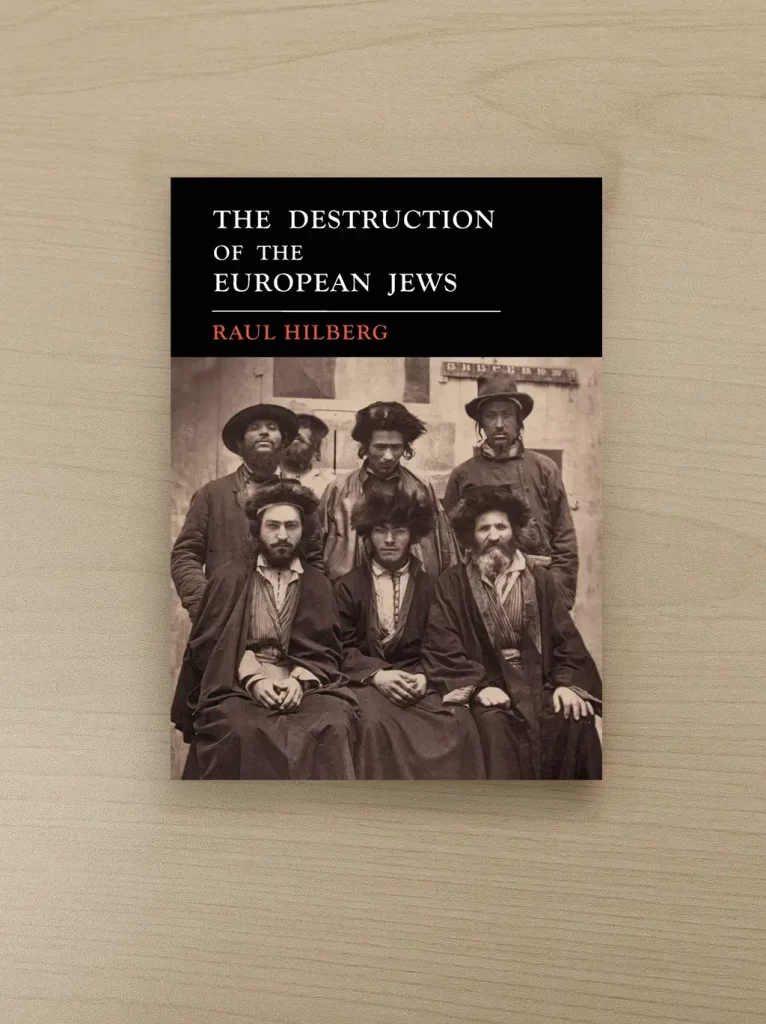
“The Destruction of the European Jews” by Raul Hilberg
Raul Hilberg’s classic book goes into the mechanics of the Holocaust, focusing on the processes that led to the destruction of the European Jews. It looks at the institutions, bureaucracies and individuals involved in the Final Solution.
Hilberg’s research is thorough and shows how ordinary systems were used to commit genocide.
“Ordinary Men: Reserve Police Battalion 101 and the Final Solution in Poland” by Christopher Browning
Christopher Browning looks at how ordinary German men from Reserve Police Battalion 101 became mass murderers in Poland.
Using historical records and testimony, he shows how these men changed.
It’s about conformity, obedience and how far ordinary people will go when they’re told to. It’s short, and very clear.

“Hitler’s Willing Executioners” by Daniel Goldhagen
Daniel Goldhagen’s book argues that a special kind of “eliminationist anti-Semitism” in German society made ordinary Germans willing to participate in the Holocaust. He challenges previous interpretations by looking at the role of widespread societal beliefs.
The book raises questions about the motivations and the extent of collective guilt. Most historians, including Raul Hilberg and Christopher Browning, rejected its main argument, so read it next to Browning’s book for balance.
Easiest Option
Book a Day Trip to Auschwitz From Warsaw
Hotel pick-up, fast train tickets, entry, a licensed guide and free time in Krakow for lunch. From €148 per person, rated 4.6 from 1,000+ reviews, with free cancellation up to 24 hours before.
Women’s Experiences in the Holocaust
“Rena’s Promise: A Story of Sisters in Auschwitz” by Rena Kornreich Gelissen
Rena Kornreich Gelissen survived Auschwitz with her sister Danka. Rena was on the first transport of Jewish women to Auschwitz in March 1942, as prisoner number 1716. Written with Heather Dune Macadam, her book tells the story of their daily struggles and how they supported each other.
It shows what women faced in the camps, which many general histories skip over.
More than anything, it’s about two sisters keeping each other alive.

“Lilac Girls” by Martha Hall Kelly
“Lilac Girls” is a historical novel that tells the stories of three women during World War II: a New York socialite, a Polish teenager and a German doctor. The book looks at the atrocities that happened at Ravensbrück, a concentration camp for women.
Two of the three women, Caroline Ferriday and the camp doctor Herta Oberheuser, were real people. The Polish teenager, Kasia, is fictional but based on real prisoners.
It’s set at Ravensbrück, not Auschwitz, but it covers a side of the Holocaust that gets far less attention.

Lesser-Known Perspectives
“The Librarian of Auschwitz” by Antonio Iturbe
This novel is based on the true story of Dita Kraus. As a teenager, she became the librarian of a secret children’s school in the Birkenau family camp, with only a handful of books.
She risks her life to protect those few books, and the story shows how learning itself became a form of resistance.
It’s a good pick for teenagers, since it reads like a novel but stays close to what happened.

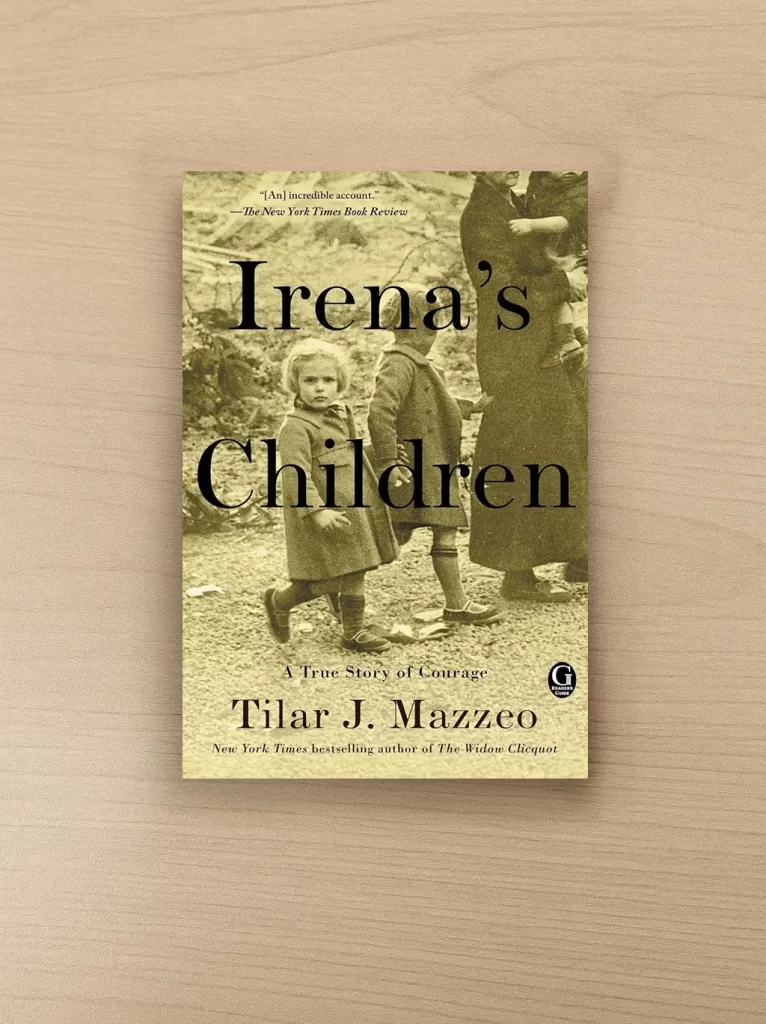
“Irena’s Children” by Tilar J. Mazzeo
“Irena’s Children” tells the story of Irena Sendler, a Polish social worker who helped smuggle Jewish children out of the Warsaw Ghetto. The popular figure is 2,500 children, though historians can document about 500 rescued by her and her network. Tilar J. Mazzeo explains how Irena and her network smuggled children to safety and gave them new names and hope for a future.
It’s about ordinary people who risked everything to defy the Nazis. It also pairs well with a trip to Warsaw, where you can still walk the area of the former ghetto.
“The Auschwitz Volunteer: Beyond Bravery” by Witold Pilecki
This is Witold Pilecki’s own report. He was a Polish army officer who let himself be arrested in 1940 so he’d be sent to Auschwitz, where he gathered intelligence and organized resistance.
His reports were some of the earliest news from Auschwitz to reach the Polish government in London, and through it the Allies.
It’s one of the few first-hand accounts of resistance inside the camp. He escaped in 1943, and his story is still less known outside Poland than it should be.
“The Hidden Children” by Jane Marks
Jane Marks gathers the stories of Jewish children who survived the Holocaust by hiding in attics and barns, or by living under fake identities.
The stories show the fear, confusion and loss these children lived with. They lost their childhood, but they found a way to survive.
Read it to see the Holocaust through the eyes of its youngest survivors.

Criteria for Choosing These Books
The books are a mix of memoirs, historical accounts, fiction based on true events, and in-depth research. Some are survivors telling their own stories, and others are historians explaining how the Final Solution worked.
We picked each one because it teaches you something real about Auschwitz, the Holocaust or World War II, and because it’s worth your time.
Why are Auschwitz Books so Important?
Books about Auschwitz take you into one of the darkest parts of human history. But they’re not only about the past. They’re about survival, bravery and fighting for justice.
They show what people went through to survive. Read at least one before you join a tour to Auschwitz from Warsaw or Krakow, and the visit will mean a lot more.
Why Should You Read Books About Auschwitz?
Reading about Auschwitz helps you understand the Holocaust and what it did to millions of people. The books don’t just teach you history. They make you feel what happened, and why it can’t be forgotten.
Some are beautifully written, but none of them are easy, so be ready for some heavy reading. Pace yourself and take a break between the harder ones.
Books About Auschwitz FAQ
What is the best book about Auschwitz?
If you only read one, make it Primo Levi’s If This Is a Man, also published as Survival in Auschwitz. Levi was an Italian chemist deported in 1944, and he describes camp life in a calm, exact voice. For history rather than memoir, Laurence Rees’s Auschwitz: A New History is the clearest single book on how the camp grew and worked.
Is The Tattooist of Auschwitz a true story?
Partly. It’s based on Lale Sokolov, a Slovak Jew who tattooed numbers on prisoners at Birkenau and met his wife Gita there. But it’s a novel, and researchers at the Auschwitz Memorial have pointed out a number of factual errors in it. Read it as fiction inspired by real people, and pair it with a survivor memoir for the history.
Which Holocaust book should teenagers read first?
Night by Elie Wiesel and The Diary of a Young Girl by Anne Frank are the usual starting points. Both are short, seen through a teenager’s eyes and easy to follow, yet they don’t soften what happened. Night is the harder read, since it covers Wiesel’s time in Auschwitz and Buchenwald, so talk it through with them afterwards.
Should I read about Auschwitz before visiting?
Yes, even one book helps. Guides cover a lot in 3.5 hours, and knowing a few names and stories beforehand makes the barracks, the suitcases and the railway ramp at Birkenau much more personal. A memoir works best for this. Short on time? Read our history of Auschwitz guide before you go.